

In vitro fertilization, commonly known as IVF, is one of the most effective and used reproductive technologies. It is one of the most highly powerful solutions for couples facing unexplained fertility. In this technique, the pregnancy occurs due to fusion of the healthy sperm with the healthy egg in the test tube. The eggs are retrieved from the ovaries during ovulation, which is enhanced by giving FSH injections for 12 days with estradiol blood test and tvs ultrasound to check the growth of the follicle it is then triggered with hcg injection and transvaginal ovarian pic up is done for fusion both sperm in the test tube. It takes 3-5 days for the formation of the embryo, and then the healthiest embryo is transferred into the uterus and the endometrium of the female body. For this, we need healthy endometrium of optimum thickness of about 7-10 mm. The embryo is implanted and embedded in the endometrium with embryo transfer technique.
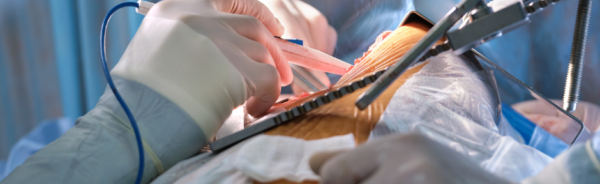
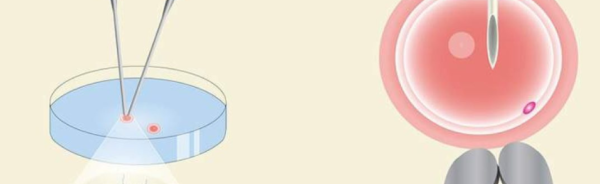
This can be done under general anesthesia if it is painful for the female. We give progesterone pessaries per rectally or vaginally to enhance the health of the endometrium. And implantation of the embryo firmly to the endometrium After around 10-15 days, we go for the beta-HCG test, and if it is more than 5 mLu-mL or more than 25 mLu-mL typically indicates pregnancy, the second check is done which is doubling every 48-72 hours. The third pregnancy check is done after 1 week although ivf has only 35 percent success rate .For many couples, unexplained infertility is emotionally exhausting because there is no clear reason or diagnosis to explain why conception is not happening. So IVF helps in such cases by bypassing many of the natural steps of conception. This process is either through conventional fertilization or intracytoplasmic sperm injection where single sperm is directly injected into an egg, through robotic hands for fertilization and early development allowing the embryologist to keenly observe the formation of the embryo.
Additionally, IVF can also include pre-implantation genetic testing which includes chromosomal abnormalities to find the cause of early miscarriages in couples. This is one of the ways which can detect infertility due to miscarriages, helping to reduce emotional burden with explained counseling, emotional support, and personalized decision-making, allowing couples to understand their options throughout the process. IVF does not guarantee successful pregnancy rates but helps the couples to overcome the failure of natural attempts or less advanced treatments such as timed intercourse or intrauterine inseminisation.
Couples considering IVF are informed about the financial cost or physical demands and emotional stress. Overall, this helps to overcome hidden fertilization barriers, improving implantation conditions and offering hope and direction to build a family despite of absence of a clear infertility diagnosis.