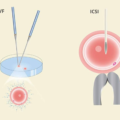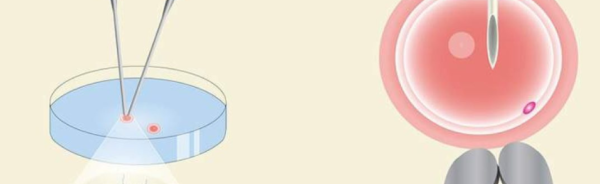

Pre-implantation Pgd testing for genetic disorders is a powerful tool which involves removing a cell from an embryo created through IVF for genetic testing before transferring the embryo to the uterus.
This testing allows for the selection of embryos that are more likely to result in a successful pregnancy, reducing the risk of genetic disorders and increasing the overall success rate of IVF.
There Are Three Distinct Types Of PGT
Preimplantation genetic testing is the umbrella term for all genetic testings on embryos during IVF, while PGD is a specific type of PGT (now called PGT-M)
Details of all 3 types of PGT are given below :-
1-PGT-A (For Chromosomal abnormalities)
- This testing screens embryos for a normal chromosome number
- Humans have 23 pairs of chromosomes, for a total of 46. Having an extra or a missing chromosome can cause miscarriage in early pregnancy or a wide range of health issue. Chromosomal abnormalities are also a leading cause of IVF implantation failure.
- One of the examples is Down Syndrome which has an extra chromosome number 21
- By transferring only chromosomally normal embryos, PGT-A can significantly increase the chances of successful implantation and reduce the risk of miscarriage or genetic disorders. ultimately improving the overall outcomes of IVF treatment.
2-PGT-M (For Single Gene Genetic Diseases)
- It is the testing of embryo for single gene genetic diseases.
- When one or both partners in a couple are carriers of the genetic mutation that could lead to a serious medical condition in the child.
- PGT-M can be used to identify and select embryos created through IVF that do not have the disorder.
- There are 1000 single gene disorders that can be identified such as Cystic fibrosis, Sickle cell anemia, Huntington’s disease and many others depending on the specific mutation being tested.
- By selecting embryos that are free of the defective gene. PGT-M provides couple with a way to reduce the risk of passing on serious genetic conditions to their children, offering greater peace of mind and the possibility of a healthier pregnancy and child.
3- PGT-SR (For structural abnormalities)
- It is a specialized genetic test designed to detect chromosomal abnormalities in embryo. These abnormalities, which include translocations, inversions, deletions and duplications can cause infertility, recurrent miscarriage and serious genetic disorder.
- PGT-SR is particularly beneficial for couples with a history of these issues, as it allows for the selection of embryos with normal chromosomal structures.
- PGT-SR can significantly increase the chances of successful pregnancy and reduce the risk of miscarriage. This testing provides couples with vital information, enabling them to make informed decisions and reducing the likelihood of passing genetic disorders to their children.
Couples choose PGD before IVF For certain reasons:-
1- Risk Reduction: To minimize the risk of passing on inherited genetic conditions to their baby.
2- Improve IVF outcomes : To increase the chances of a healthy pregnancy
- Emotional & Financial Benefits:To avoid the emotional and financial toll of repeated miscarriage or failed IVF cycles.
- Informed decision making:Have peace of mind knowing they have done everything possible for a healthy child.
Recommendations
PGD is recommended to couples in following conditions:-
- Advanced maternal age due to higher risk of chromosomal abnormalities
- Recurrent pregnancy loss
- Previous affected child
- Family history of genetic disorders