
ICSI excels at fertilization 72–80%
1. Act by injecting sperm boosting
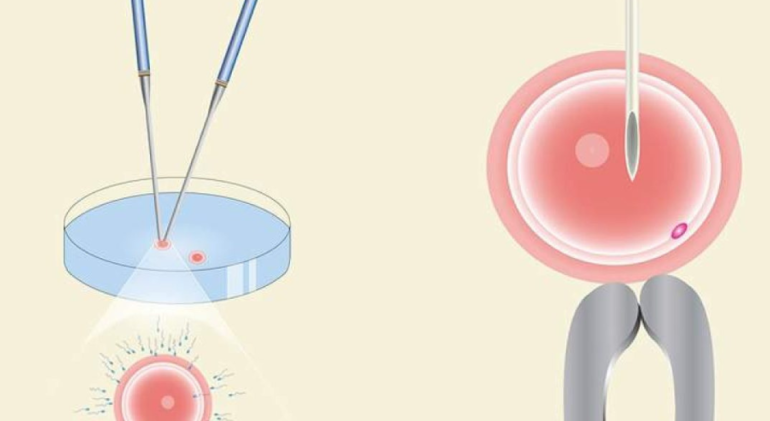
Success in male infertility cases while conventional IVF VS ICSI rates imply natural fertilization (50–60%) fertilization. By robotic hands the sperm which has low rapid linear progression and low sperm count is fertilized with the egg, while in IVF the sperms, with good mobility and sperm count is allow to fuse in the petri dish by itself.
This technique of IVF is applicable in those patients who have good sperm count and good mobility also the quality of egg matter in this. In the quality of egg should be very good as it is mandatory for fertilization in a petri dish by a motile sperm. In case of ICSI the sperm quality and the egg quality does not matter as it is fused by robotic hands but in case of good quality Sperm and egg, if done have very good prognosis, the ICSI technique is used in the more frequently these days because of good prognosis these days, whereas in IVF the sperm has to move towards the egg by itself and the quality of egg has to be good for the embryo formation.
But although both ICSI and IVF has similar life birth rates when male factor is not present, those some studies show slight slightly lower life birth rates for ICSI for non-male factor infertility, highlighting the factors like maternal age and egg sperm quality are key to overall success. Fertilization rates are higher in ICSI especially with poor sperm count and motility, life birth rates once fertilized are the same when there is no male infertility. when previous IVF cycle fails, ICSI wins because of robotic technique.
When IVF wins for couples without male infertility conventional IVF is preferred as it’s less invasive as it is higher implantation life birth rate in these cases. IVF around 40–60%, and ICSI around 50–80% success rate. Overall success depends from maternal age, egg quality and overall health drivers of success for both treatments often outweighing the technique choice when male factors is not an issue.